 By Admin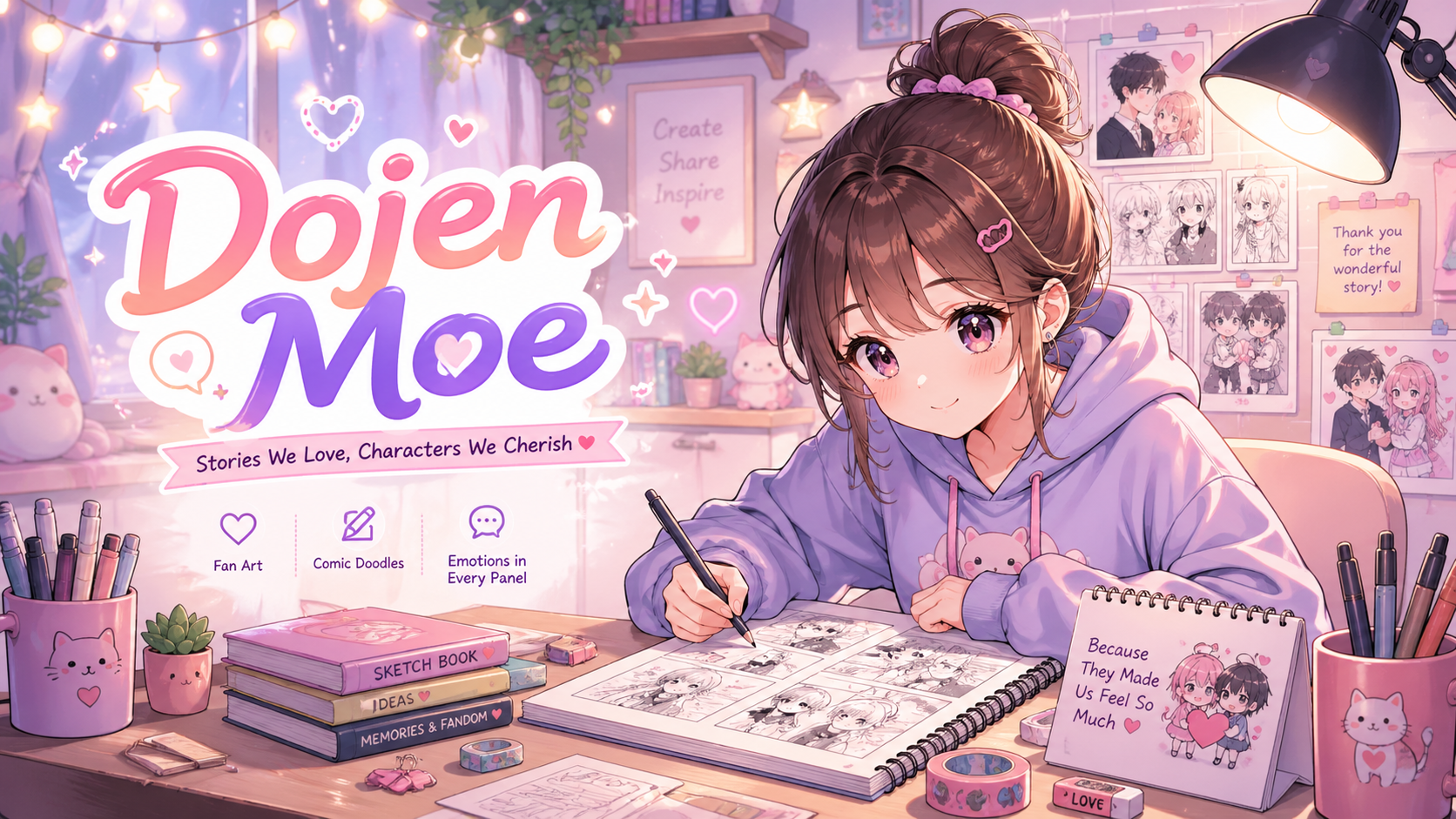
The keyword dojen moe has started appearing across blogs, search results, and anime-style content pages. At first, it sounds like a clear Japanese pop-culture term. But when you look closer, it gets a little messy — and honestly, that is what makes it interesting.
Based on current online research, dojen moe does not seem to be an official Japanese term with one fixed meaning. Some websites explain it as a mix of doujin and moe, while others say it may be a constructed keyword used by content creators. The safer way to understand it is this: dojen moe is commonly used online to describe fan-made, cute, emotional, character-focused creative work, but the phrase itself is not as established as “doujin” or “moe.”
What Does Dojen Moe Mean?
In simple words, dojen moe is often explained as a creative style connected with fan culture, anime-inspired art, and emotional character design.
The word seems to come from two better-known ideas:
- Doujin / doujinshi means self-published or fan-made work, such as manga, novels, comics, zines, or art.
- Moe means a feeling of affection, warmth, or emotional attachment toward a cute or lovable fictional character.
So, when people say dojen moe, they usually mean fan-made content that feels soft, emotional, cute, and personal. It is less about big action scenes. More about small feelings. A shy smile. A lonely character. A warm friendship. That kind of thing.
Is Dojen Moe a Real Japanese Term?
This is where we need to be honest.
The exact phrase dojen moe is not widely accepted as an official Japanese anime term. Some sources even call it an SEO-made or unclear keyword because it does not appear with one stable definition across trusted anime references.
But the two ideas behind it are real.
Doujinshi is a real part of Japanese fan culture. Comic Market, also known as Comiket, describes itself as a doujinshi marketplace that began in 1975 as a space for creative expression and fan communication. Britannica also notes that Comiket opened in 1975 and became important in doujinshi culture, with many doujinshi artists later moving into professional manga work.
And moe is also a known anime and manga slang term. It is commonly used for strong affection or emotional attraction toward fictional characters, especially characters that feel cute, innocent, or endearing.
So, dojen moe may not be an official term. But it is built from real fan-culture ideas.
Quick Table: Dojen Moe at a Glance
| Element | Simple Meaning | Connection to Dojen Moe |
|---|---|---|
| Doujin | Self-published or fan-made work | Shows the independent creative side |
| Moe | Warm affection for cute fictional characters | Adds emotional and soft character appeal |
| Anime-style art | Japanese-inspired character design | Gives the visual style |
| Fan culture | Community-made content | Makes it personal and niche |
| Online trend | Search-driven phrase | Explains why people are curious |
Why Is Dojen Moe Getting Attention?
One reason is curiosity. People see the phrase online and wonder, “Is this a person? A site? A character? A style?” That confusion creates searches.
Another reason is anime culture itself. Anime-style art is now everywhere — social media, games, wallpapers, stickers, digital comics, profile pictures, and fan pages. People love content that feels emotional and visually soft.
Dojen moe fits that mood.
It gives people a way to talk about:
- Cute anime-inspired characters
- Fan-made stories
- Soft emotional art
- Independent comics
- Digital zines
- Character-focused storytelling
- Online creative communities
And yes, some people may also connect it with adult doujin content because doujinshi can include many types of material. But that is not the full meaning of doujinshi. Doujinshi can be original, funny, romantic, emotional, experimental, or just plain fan-made. It does not have to be adult.
Main Features of Dojen Moe Style
If we treat dojen moe as an online creative style, it usually has a few common features.
- Soft character design
Characters often have gentle faces, expressive eyes, and simple but memorable looks. - Emotional storytelling
The story may focus on small feelings instead of huge drama. - Fan-made spirit
It feels personal because it is often created outside big studios. - Cute visual mood
Colors may be soft, warm, pastel, or light. - Character attachment
The audience is meant to care about the character, not just watch the plot. - Community sharing
People may share this type of work through blogs, art platforms, social media, or fan spaces.
How Dojen Moe Connects With Doujinshi
To understand dojen moe, you need to understand doujinshi first.
Doujinshi are self-published works. They can be made by one person or by a small creative group. Some are based on existing anime, manga, or games. Others are fully original. The main point is freedom. A creator can make the story they want, in their own way.
That freedom is why doujinshi culture matters.
A beginner artist can publish a small comic. A writer can test a short story. A fan can create a different version of a favorite character. It is not always polished. Sometimes it is rough. But it feels alive because it comes from passion.
Dojen moe, in this sense, is like a softer emotional corner of that wider fan-made culture.
How Moe Changes the Feeling
Moe is not just “cute.” That is too simple.
Moe is more like the feeling you get when a character makes you want to smile, protect them, or keep watching their story. Maybe they are shy. Maybe they are clumsy. Maybe they are kind but lonely. There is a small emotional pull.
That emotional pull is the heart of dojen moe.
It is why people remember certain characters even when the story is simple. The design matters, yes. But the feeling matters more.
Examples of Dojen Moe-Type Content
You may find dojen moe-style content in:
- Short fan comics
- Anime-style character sketches
- Cute digital stickers
- Soft romance scenes
- Slice-of-life fan stories
- Emotional character wallpapers
- Small self-published manga projects
- Fan zines and online art collections
A simple example could be a short comic about a quiet student who makes lunch for a friend but gets too shy to give it. Nothing huge happens. But the emotion is there. The nervousness. The kindness. The tiny moment.
That is very close to the dojen moe feeling.
Benefits of Dojen Moe for Creators
For artists and writers, this style can be useful because it does not require a massive world or expensive production.
Creators can start small.
- One character
- One scene
- One short story
- One emotional moment
- One cute design
And from there, they can build a following. People online often connect fast with characters that feel warm, honest, or relatable.
For bloggers, the keyword dojen moe can also work as an informational topic. But it should be handled carefully. Since the term is unclear, a good article should explain both sides: what people think it means, and why it is not fully official.
Common Misunderstandings About Dojen Moe
Some people may think dojen moe is a famous person. Others may think it is a real anime genre. Some may assume it is only adult content. These ideas are not fully correct.
Here is the clearer version:
- Dojen moe is not confirmed as a famous public figure.
- It is not an official anime genre.
- It is not the same as doujinshi.
- It may be a spelling variation or search-made phrase.
- It is best understood through doujin and moe culture.
And that’s okay. Internet language is often messy. New words appear, disappear, and change meaning all the time.
Final Thoughts
Dojen moe is an unusual keyword, but it points toward something people clearly care about: fan-made creativity, emotional anime-style characters, and soft visual storytelling.
The phrase itself may not be official. Still, the ideas behind it are real. Doujin culture gives creators freedom. Moe adds warmth and emotional connection. Together, they create a style that feels personal, cute, and easy to love.
So, when you see dojen moe online, don’t treat it as a strict dictionary term. Treat it more like a mood. A fan-made feeling. A small creative space where characters matter, emotions matter, and simple stories can still leave a mark.